AI
Why AI slop is taking over your feed
· 7 min read
I wanted to understand why AI-generated video keeps winning the scroll, so I looked at where it's made, what people say about it, how its scripts are built and what neuroscience says about why we keep watching.
I've been making short-form videos for Buyside's launch, and lately my feed feels like it belongs to AI. It's full of fruit on a dating show, melting cities and people shrunk to the size of an ant. Everyone says they hate "AI slop," yet it keeps going viral. I wanted to know why, so I went to where a lot of it is made, read what the research says about how people feel about it, took the scripts apart frame by frame, and looked at the neuroscience underneath.
A single sample reel shows most of what I found.
What if it got 10°C hotter every minute?
Anatomy of a sample viral reel
“What if it got 10°C hotter every minute?”
- Premise
- An impossible question that is easy to grasp, on screen before anything moves.
- Meter
- A temperature readout climbs from 22°C to 1102°C, and you stay to see where it stops.
- Payoff
- Each step lands one real fact, such as water boiling at 100°C or aluminum melting at 660°C.
- Ending
- It closes on “Solid ground becomes lava,” a line that tends to stick.
First and last frames of the real reel
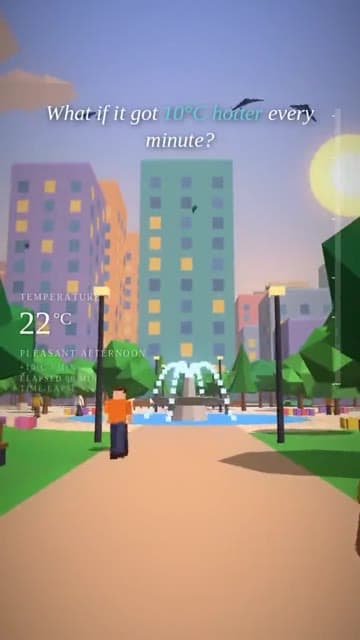
0:00 · a park, 22°C
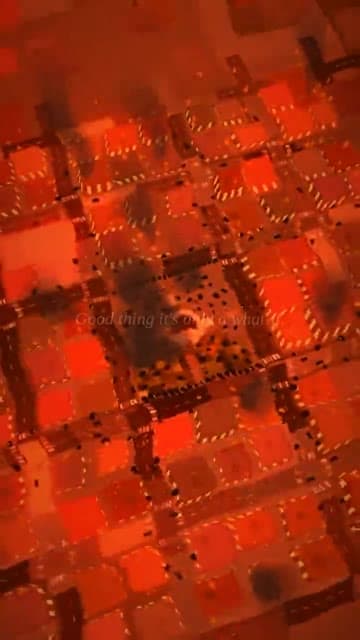
1:18 · lava, 1102°C
The premise is ridiculous and could never happen, but the AI makes it look real enough and the script makes it hard to swipe away. Most of what follows is about how those two pieces work together.
A $5.4 billion startup supplies many of the templates
A lot of what you're seeing starts as a template on Higgsfield (opens in a new tab). It's one of the fastest-growing AI video companies in the world. In August it raised $400 million at a $5.4 billion valuation, four times what it was worth in January, and it says it has 30 million users. It's built for creators and marketers who need short-form video fast. You pick a template, upload a photo, and get a reel.
- Valuation
- $5.4B
- Users
- 30M
- Annualized revenue
- $700M
Series B in Aug 2026, up from $1.3B in January.
Across 200 countries, the company says.
At the August raise, up from about $200M at the end of 2025.
So I went through every template in its "Viral" gallery, all 87 of them, and sorted them by what they actually do to the viewer.
Higgsfield’s templates turn a single photo into a stunt reel
Eight of the 87 templates in Higgsfield’s Viral gallery, labeled by the trick each one plays

VanishBreak physics

MeltingBreak physics
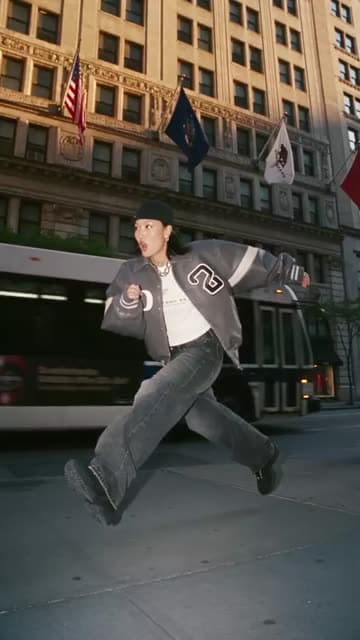
Frozen in motionBreak physics

Selfie twinDoubles
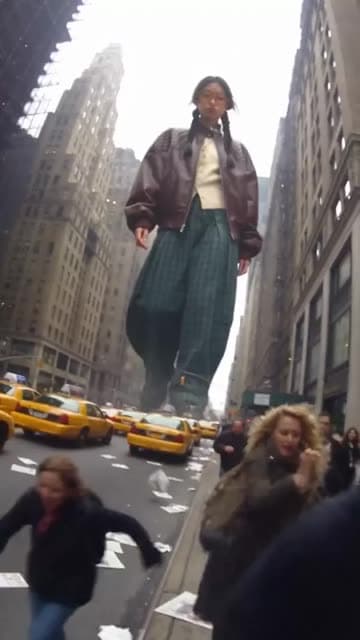
Street colossusScale
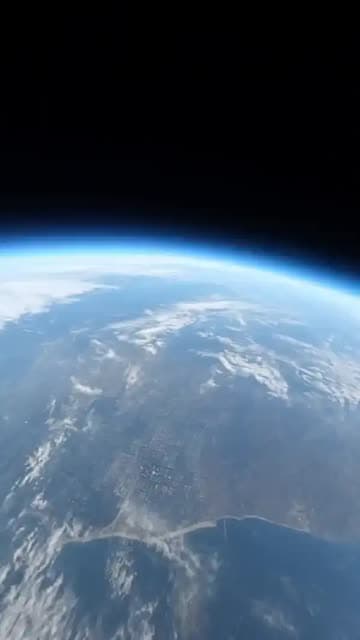
Earth zoomImpossible camera

Pearl earringBecome someone else
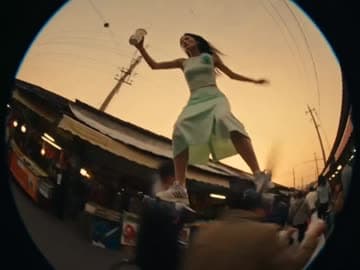
PigeonsAbsurd ride
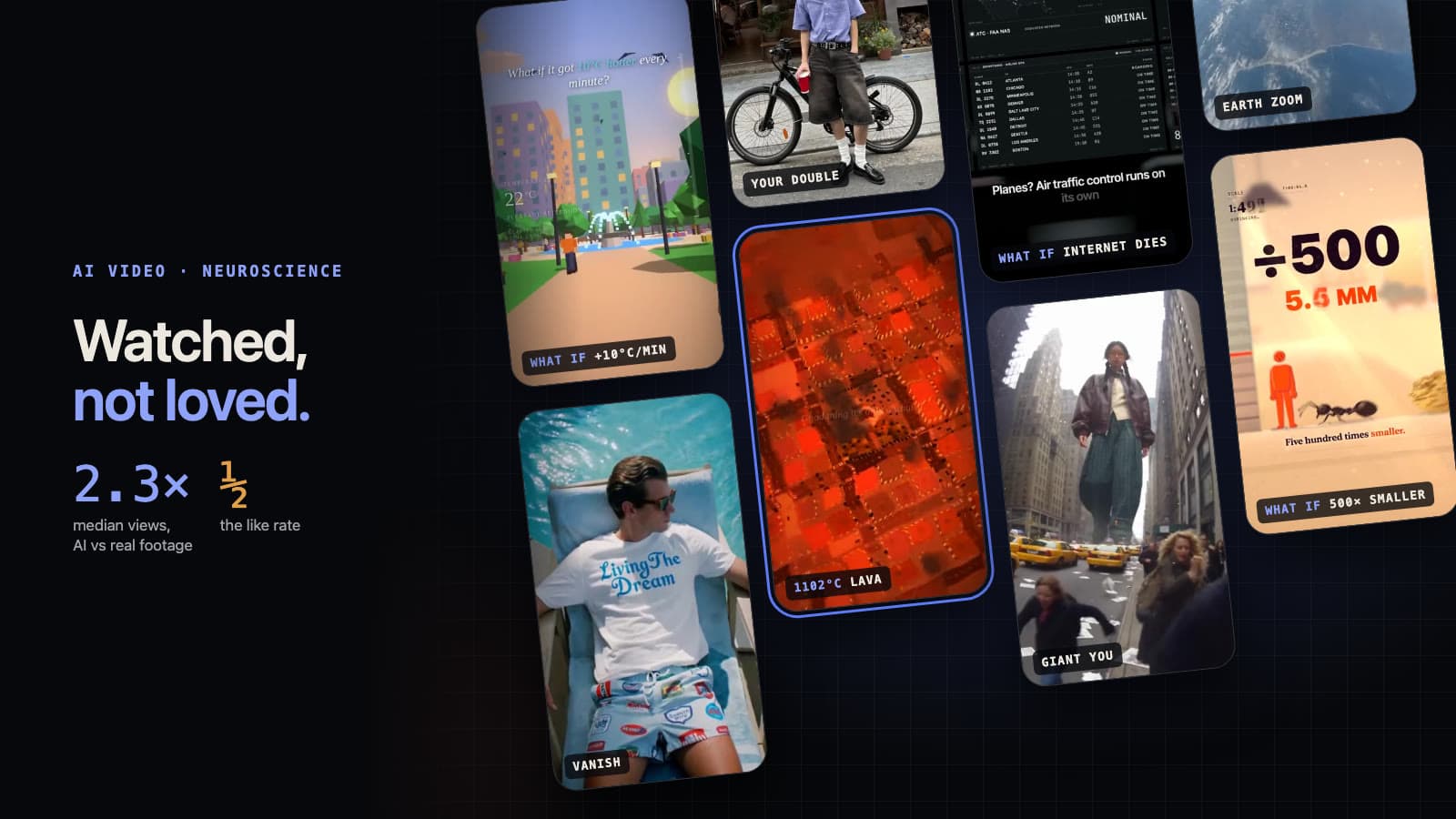
Apart from style filters, almost every template does one of four things. It breaks physics (you vanish and your clothes drop to the floor). It puts you somewhere you can't be (inside a Vermeer painting). It changes your scale (a giant in the street, a toy in someone's hand). Or it moves the camera in a way no camera can (a dive from orbit to the sidewalk). The trending "motion" presets, which map a real person's dance or walk onto your photo, lean toward status. Of the top 30, 20 are outfits, cars or cash.
None of these templates tells a story. Each is designed to stop your thumb in the first second, and nothing in it gives you a reason to stay after that.
People say they hate it, then watch it anyway
Surveys about AI content come back mostly negative. In a Gartner survey from this summer, 65% of US consumers said brands make too much of it and 57% said it has made them trust brand messaging less. Clutch found 86% of people have run into it on social media, and more than half are less likely to buy from brands that use it.
Their viewing habits point the other way. Revid, which sells AI video tools, classified almost 300,000 TikToks by how they were made. AI-generated clips got more than twice the median views of real footage but only half the like rate.
I think three things explain the gap. People are curious about the craft, and wondering "how did they make that?" is reason enough to watch to the end. Absurdity is also easy to share. You can send a friend a clip for being ridiculous without claiming it's any good. And watching costs nothing, because a feed counts a finished view the same whether you loved the video or rolled your eyes at it. Off TikTok, where likes and follows matter more, AI posts were five times more common among the worst performers than among the viral ones.
On X, "slop" is also a compliment
I also had an AI research assistant look through public X posts from the last two months. The most-viewed AI videos were an absurd fake dashcam clip of a Coke–Mentos stunt, wordless 2D cartoons set to old songs, and music videos that AI agents made overnight. Polished brand ads ranked well below them.
I was surprised to find that fans have taken up the word "slop" themselves. The creator of one viral music video called his style "slopcore." Higgsfield's own CEO has argued that calling it slop says more about taste than about the size of the market. Critics use the word to mean the opposite, calling the work soulless, stolen and not art. A single clip can collect both kinds of reply.
The posts also show who gets credit. Creators name the model, usually ByteDance's Seedance, and treat Higgsfield as the store where they use it. Some users call it a reseller with no moat. OpenAI's Sora barely comes up except as something that's gone.
The scripts treat ridiculous premises like documentaries
The templates account for the first second, and Higgsfield's "What If" gallery shows what keeps people watching after that. Every reel in it follows the same build, with an impossible question, a number that keeps climbing and a chain of real facts.
Higgsfield’s “What If” reels each open on a one-line premise
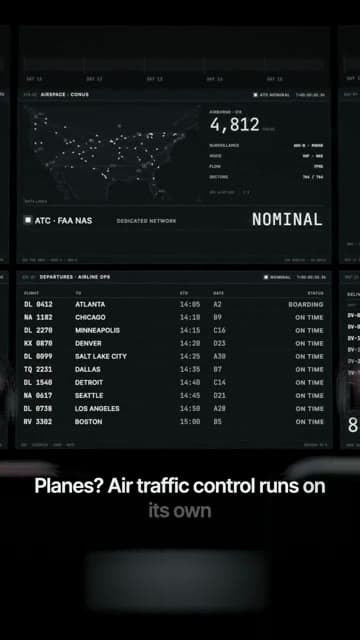
What if the entire internet went dark?
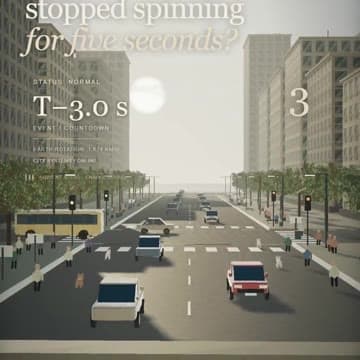
What if the Earth stopped spinning for five seconds?
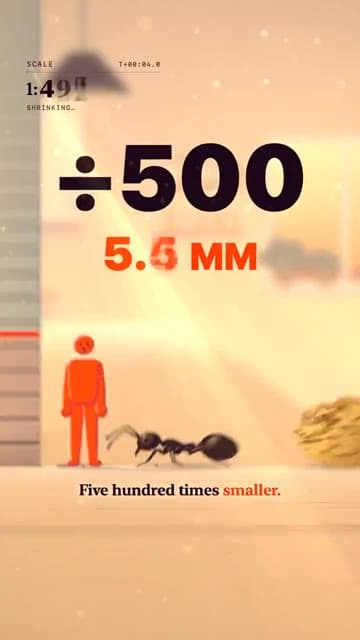
What if you were 500 times smaller?
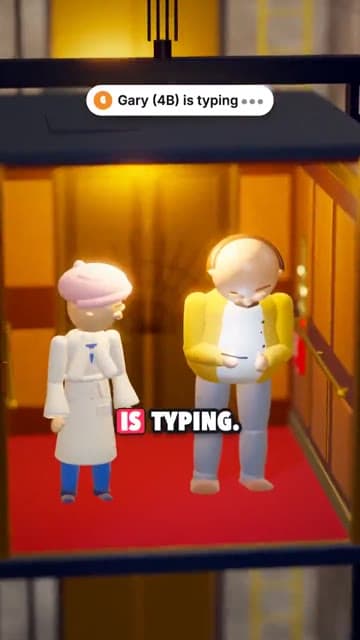
Stuck in an elevator, part 1
I pulled frames from six of these sample reels and read the captions. Below is the script of one, "what if the entire internet went dark," broken down beat by beat.
It opens on the premise, raises the stakes, flips your expectation ("you'd think the first thing to die is… it's the checkout line"), then stacks up real facts about card payments per second and a 2024 software update that grounded thousands of flights, before ending on a joke you'll repeat. Four of the six reels have no hard cuts at all, so there's never a natural place to leave.
The number on screen does the job a second act does in a film, giving you a reason to stay until you see where it ends.
The wording is just as deliberate. Three in four caption lines run six words or fewer, and more than a third contain a number. The lines talk to you directly ("only bats can hear you") and drop one-word questions ("Planes?") to restart your curiosity halfway through.
Nobody watching thinks any of this is real. The AI makes the impossible image cheap to produce, and the script makes watching it feel like learning something.
The neuroscience of why you can't look away
I was struck by how closely each piece of the formula lines up with something neuroscientists have measured.
The templates supply surprise. When Itti and Baldi tracked where people looked while watching TV, they found that 72% of gaze shifts went to places more surprising than average (opens in a new tab), and an image that breaks physics is about as surprising as a frame can be.
The question on screen does something different. In Kang and colleagues' 2009 study (opens in a new tab), curiosity about a trivia question tracked activity in the caudate, a region tied to anticipated reward. To the brain, an open question can feel like a reward you haven't collected yet. Curious people in that study were also willing to spend scarce tokens or waiting time to get the answer, and on a feed the waiting time is watch time.
The wait itself matters too. Gruber, Gelman and Ranganath (2014) (opens in a new tab) found that when people were curious about an answer, they also remembered unrelated faces shown to them during the wait, on a test given a day later. For anyone making a reel, that makes the gap between question and answer the most valuable stretch of the reel. Whatever you put there tends to stick.
Put together, the three findings describe a loop in which the AI only has to win the first box. The script runs everything after that, much as a good teacher or a good trailer would.
Many of the premises come straight from Hollywood
After a while I started recognizing the plots. One clip I saw on Higgsfield shows you watching yourself leave the house while you're still in bed, which is the premise of Us. Freezing time is Click, shrinking is Honey, I Shrunk the Kids, and the internet going dark is Leave the World Behind in 50 seconds.
Hollywood calls a premise you can pitch in one sentence "high concept." Blake Snyder's Save the Cat sorts films into ten genres by the kind of problem the hero faces, and nearly everything I found fits three of them. There's the wish that goes wrong, the ordinary person up against a huge disaster, and someone trapped with a threat.
These reels compress the premises of familiar films
Grouped by three of Blake Snyder’s Save the Cat genres
Out of the Bottle
A wish that goes wrong
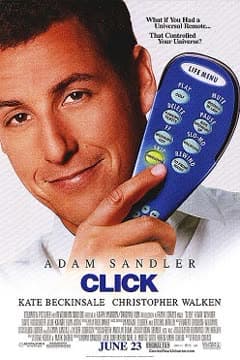
Click (2006)→ Frozen in motion

Honey, I Shrunk the Kids (1989)→ You, 500 times smaller
Dude with a Problem
An ordinary person, a huge disaster

Leave the World Behind (2023)→ What if the internet went dark?
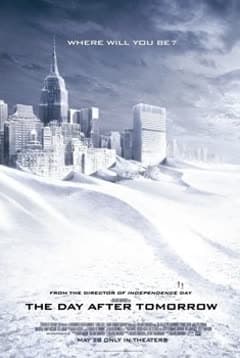
The Day After Tomorrow (2004)→ What if the Earth stopped spinning?
Monster in the House
Trapped with a threat
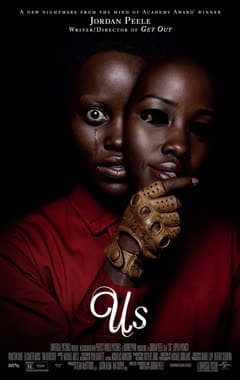
Us (2019)→ You leave the house while you’re still in bed
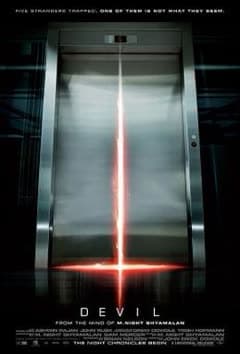
Devil (2010)→ Stuck in an elevator, part 1
These reels keep the logline and the poster shot and cut the 90 minutes in between. The clearest film borrowing on X was more literal. An AI version of Homer's Odyssey was pitched as a rival to Christopher Nolan's adaptation, and the replies mostly panned it. That suggests the recipe works better as a premise than as a remake. I'd apply it to short-form video in five steps, whether or not the video is made with AI.
Fruit Love Island (opens in a new tab) shows the recipe works at scale. It borrowed a TV format everyone knows, with a villa, couples, a host and viewer votes, and its first 20 episodes drew about 300 million views. Sora's app is the counterexample. Its launch went viral on the novelty of the tool, but downloads fell and OpenAI shut it down (opens in a new tab) in April.
What this means for Buyside's launch reels
Nothing I found suggests people watch AI slop because they love it. It wins the first second with surprise and holds people with a script borrowed from film and documentary. For the most part, the AI just supplies the images.
For Buyside, I'm planning to turn finance films into premises, cast the viewer as the character, and let a number on screen carry the tension.
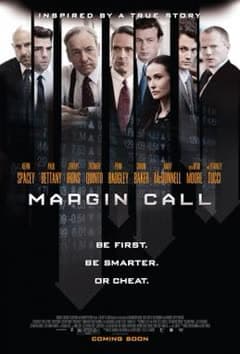
Margin Call (2011) → a Buyside reel
“What if your bank had one night to sell everything?”
The meter counts down the position left to sell, and each step pays off with one real fact about how desks unwind risk. It ends on the morning bell, then Part 2.
I'll write a follow-up once I know which of these openings actually work.
- ai video
- short-form
- higgsfield
- virality
- neuroscience
- storytelling
Liked it? Pass it on.
Send it to someone, or get the next take the day it drops.